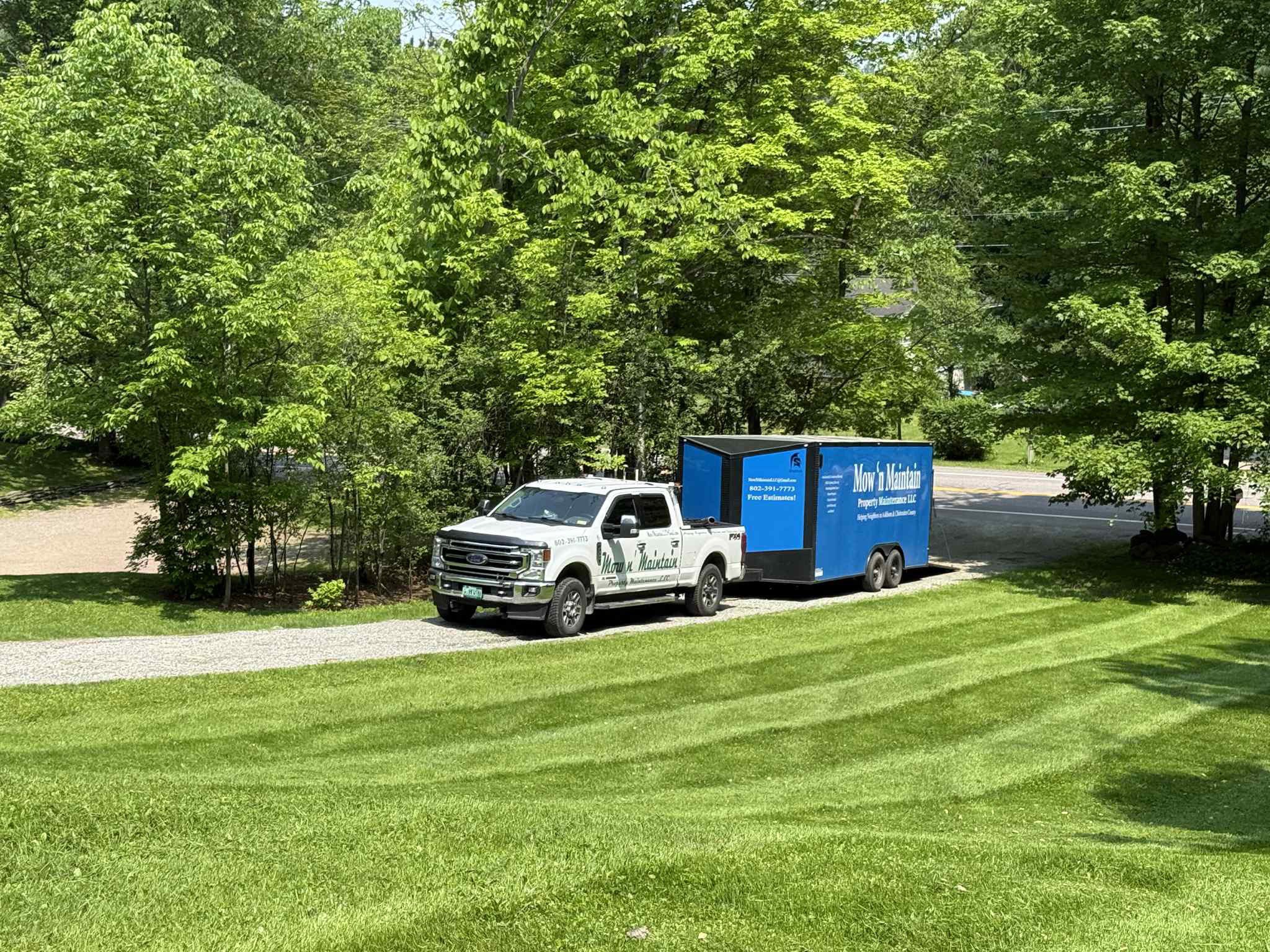
Sustainable Lawn Care: Eco-Friendly Practices for a Greener Future Apr 10, 2026
Understanding Sustainable Lawn Care
Sustainable lawn care focuses on methods that reduce negative environmental impact while promoting a healthy ecosystem. By adopting these practices, homeowners can maintain beautiful lawns that support local wildlife and utilize fewer resources. Implementing sustainable methods encourages soil health, water conservation, and biodiversity, creating a thriving landscape without relying on harmful chemicals.
Organic Lawn Fertilizers
One of the fundamental shifts toward eco-friendly lawn care is opting for organic fertilizers. Unlike synthetic fertilizers, organic options release nutrients slowly, enhancing the soil's natural fertility without the risk of chemical runoff into local waterways. Organic fertilizers also promote beneficial microorganism activity in the soil, leading to healthier, more resilient turf. For best results, choose fertilizers labeled as "natural," "organic," or "bio-based."
Efficient Water Usage
Water conservation is a crucial aspect of eco-friendly lawn care. Over-watering not only wastes a valuable resource but also encourages shallow root growth and increased vulnerability to disease. Instead, focus on deep, infrequent watering to promote deep root systems and drought resistance. Install a rain sensor on your irrigation system to avoid unnecessary watering during rainfalls. Additionally, consider using greywater systems or collecting rainwater in barrels for lawn hydration.
Use Native Grasses and Plants
Incorporating native grasses and plants into your lawn and garden design is both sustainable and aesthetically pleasing. Native species are naturally adapted to the local climate and soil conditions, requiring less water and maintenance. They also provide habitat and food for local wildlife, enhancing biodiversity. Contact your local extension service for advice on the best native species for your area.
Mow Smartly
Proper mowing techniques play a significant role in maintaining an eco-friendly lawn. Set your mower blades higher; cutting the grass too short weakens the root system and increases water evaporation. Mowing regularly but not too frequently encourages a deeper root system and healthier turf. Leave the grass clippings on the lawn as they decompose, returning essential nutrients to the soil and reducing waste.
Natural Pest Control
Instead of synthetic pesticides, explore natural pest control options to maintain a healthy lawn ecosystem. Introducing beneficial insects such as ladybugs or nematodes can keep common pests in check. You can also use homemade remedies like neem oil for more targeted pest issues. Not only do these methods reduce chemical exposure, but they also support a healthy lawn environment that is less prone to pests and diseases.
Conclusion
By adopting sustainable lawn care practices, you can enjoy a beautiful, green lawn while contributing to the health of our planet. At Mow N Maintain Property Maintenance, we are committed to helping you achieve an eco-friendly lawn with practices that conserve resources, support local ecosystems, and reduce chemical usage. Embrace these techniques in your own lawn care routine, and make a positive impact for a greener future.
/filters:no_upscale()/filters:format(webp)/media/951560ad-354f-43c1-a151-0872b2b856e0.jpeg)